
Understanding Ficulititotemporal
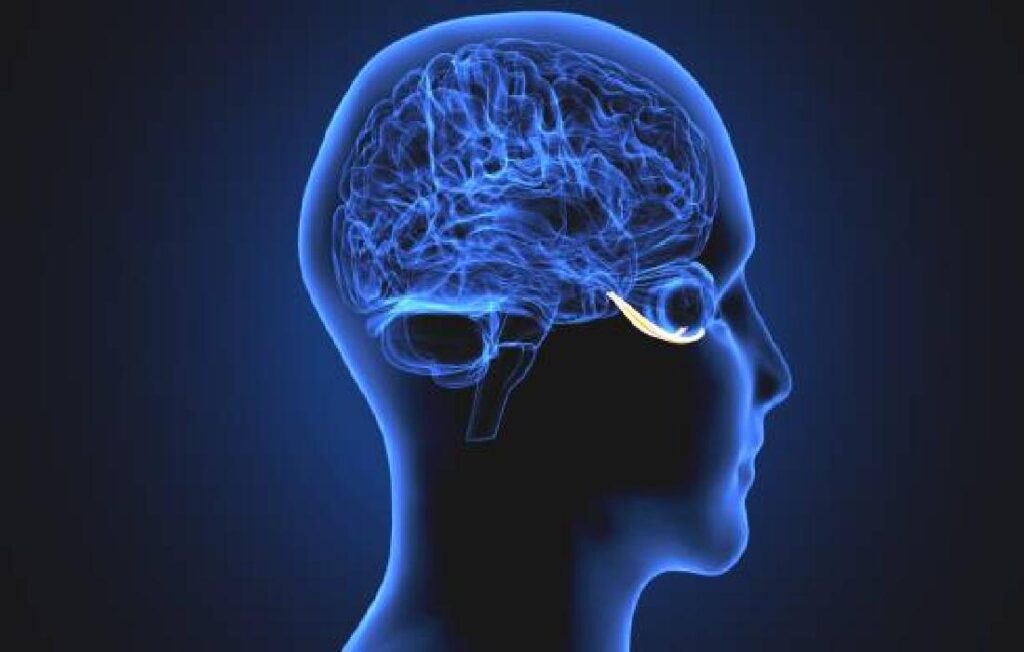
Here’s what I figured out after multiple doctor visits and way too much reading. Ficulititotemporal is a neurological condition that affects the temporal region of the brain. The temporal lobes sit on the sides of your brain, right around your temples, and they handle a bunch of important stuff.
What these brain areas control:
- Memory formation and retrieval
- Language processing and comprehension
- Emotional regulation
- Auditory processing
- Visual recognition
When something goes wrong in this area – whether it’s inflammation, degeneration, or structural changes – you get symptoms that can range from barely noticeable to life-disrupting.
The “ficuliti” part refers to a specific type of cellular change or inflammation pattern that happens in the temporal region. It’s not super common, which is why your regular doctor might not have seen it before.
My First Symptoms (And Why I Almost Ignored Them)
Looking back, the signs were there for months before I actually got checked out. But here’s the thing – the early symptoms of ficulititotemporal are really easy to brush off as stress, aging, or just being tired.
What I noticed first:
- Word-finding difficulties – I’d be mid-sentence and just blank on a common word
- Memory gaps – forgetting conversations I’d had just days earlier
- Weird auditory issues – sometimes sounds seemed muffled or distorted
- Emotional swings – getting frustrated or tearful over small things
- Trouble recognizing familiar faces in certain contexts
I convinced myself it was just burnout from work. Maybe I needed more sleep. Perhaps too much caffeine. It wasn’t until my partner pointed out how often I was struggling with basic communication that I finally scheduled an appointment.
Getting Diagnosed Isn’t as Straightforward as You’d Think
The path to a ficulititotemporal diagnosis took me through three different specialists and about two months of testing. It’s not something that shows up on a basic blood test or a quick physical exam.
The Testing Process
Here’s what I went through:
First up was a detailed neurological exam. The neurologist tested my reflexes, coordination, sensory responses, and cognitive function through various tasks. Some felt silly (following a pen with my eyes, walking heel-to-toe), but they’re checking for specific patterns.
Then came the imaging. I had an MRI with contrast, which took about 45 minutes. If you’ve never had one, it’s loud, claustrophobic, and boring. Bring music if they let you. The MRI showed structural changes in my temporal lobes that raised red flags.
Next was cognitive testing – two hours of memory games, word associations, problem-solving tasks, and questionnaires. Honestly, this was exhausting and kind of depressing when you realize how much you’re struggling with things that should be easy.
Finally, they did specialized blood work looking for inflammatory markers and specific biomarkers associated with temporal lobe conditions.
Timeline breakdown:
- Initial neurologist visit: Week 1
- MRI and imaging: Week 3
- Cognitive assessment: Week 5
- Blood work and follow-up: Week 7
- Final diagnosis consultation: Week 8
Living With Ficulititotemporal Day to Day
I’m not going to sugarcoat this – adjusting to life with this condition takes work. But it’s not the end of the world either. You just have to get creative with your coping strategies.
Memory Management That Actually Works
The memory issues were my biggest challenge. I’d forget appointments, lose track of conversations, and struggle to recall information I knew I’d learned.
My survival toolkit:
- Digital calendar with multiple reminders for everything
- Voice memos on my phone for quick thoughts or ideas
- A physical notebook I keep with me constantly
- Routine consistency – doing things the same way helps retention
- Taking photos of where I park, what I’m wearing for multi-day events, anything I might need to remember
I also started using spaced repetition for important information. If there’s something I absolutely need to remember, I review it multiple times over several days. It sounds tedious, but it works.
Communication Strategies for Word-Finding Issues
The language problems associated with ficulititotemporal can be super frustrating. You know what you want to say, but the word just won’t come.
What helps me:
- Describing the word instead of forcing it – “the kitchen thing that heats water” instead of getting stuck on “kettle”
- Giving myself permission to pause and think
- Using synonyms or related words
- Keeping conversations slightly slower-paced
- Being upfront with people that I sometimes struggle with word recall
Most people are understanding once you explain what’s happening. The ones who aren’t? Not worth your energy anyway.
Treatment Options (What’s Actually Available)
Here’s where things get a bit frustrating. There’s no magic pill that cures ficulititotemporal. Treatment focuses on managing symptoms and slowing progression.
Medical Interventions
My neurologist put me on a combination approach:
Current treatment plan:
- Anti-inflammatory medication to reduce brain inflammation
- Cognitive enhancers to support memory and processing
- Physical therapy focusing on neurological rehabilitation
- Speech therapy for language processing support
- Regular monitoring through imaging and cognitive testing
Some people respond better to treatment than others. I’m about six months in, and while I’m not “cured,” I’ve definitely stabilized. The progression seems slower, and I’ve adapted enough that my symptoms are manageable most days.
Lifestyle Modifications That Make a Difference
Beyond medication, the lifestyle changes have been huge for managing my ficulititotemporal symptoms.
What moved the needle for me:
Sleep became non-negotiable. I need 8 hours minimum, and when I don’t get it, my symptoms flare noticeably. Brain inflammation responds poorly to sleep deprivation.
Exercise, specifically aerobic activity, seems to help with cognitive function. I aim for 30 minutes of elevated heart rate five times a week. Even a brisk walk counts.
Diet changes helped too. I reduced inflammatory foods (processed stuff, excess sugar, alcohol) and increased omega-3s, leafy greens, and antioxidant-rich foods. Do I cheat sometimes? Absolutely. But the overall pattern matters.
Stress management is critical. High stress makes everything worse – memory, word-finding, emotional regulation. I do meditation, though “sitting quietly and trying not to spiral” is probably a more accurate description.
The Emotional Side Nobody Warns You About
Getting diagnosed with a neurological condition messes with your head in more ways than one. The psychological impact of ficulititotemporal hit me harder than I expected.
Dealing With the Fear
There were dark days early on. I worried about progression, about losing more cognitive function, about becoming a burden. Those thoughts still creep in sometimes.
What helped:
- Therapy with someone who specializes in chronic health conditions
- Connecting with others who have similar diagnoses
- Focusing on what I can control rather than what I can’t
- Keeping records of good days to remind myself things aren’t always bad
- Being honest with my support system about my fears
The fear doesn’t disappear completely, but it becomes less overwhelming when you have tools to process it.
Grieving Your Old Normal
This sounds dramatic, but it’s real. I had to grieve the version of myself that could remember everything, never struggled for words, and didn’t need seventeen reminder notifications to function.
Accepting the new normal took time. Some days it still bothers me. But fighting against reality just makes you miserable. Adaptation is where you find peace.
Questions I Had That Doctors Didn’t Always Answer
Through my journey with ficulititotemporal, I’ve gathered answers to questions that weren’t always addressed in clinical settings.
Will it get worse? Maybe. Progression varies wildly between individuals. Some people stabilize with treatment. Others experience gradual decline. Regular monitoring helps track changes.
Is it hereditary? The research is still unclear. Some cases seem to have genetic components, while others appear sporadic. If you have family members with similar symptoms, mention it to your neurologist.
Can I still work? Depends on your job and symptom severity. I had to make accommodations – more documentation, flexible hours, reduced complexity on demanding days. Some people continue working normally; others need disability support.
Will people treat me differently? Some will. People who don’t understand neurological conditions might get frustrated with memory issues or communication struggles. Education and patience help, but you’ll also need to develop a thicker skin.
Finding Support and Resources
The ficulititotemporal community is small, which makes finding specific support challenging. But broader neurological condition communities have been helpful.
Where I found help:
- Online support groups for temporal lobe disorders
- Local brain injury support groups (similar symptom management)
- Neurological rehabilitation programs through my hospital system
- Occupational therapy for practical daily living strategies
- Mental health professionals specializing in chronic conditions
Don’t try to handle this alone. The isolation makes everything harder.
Moving Forward With Ficulititotemporal
Six months into this diagnosis, I’m not the same person I was before. But I’m also not defined solely by this condition.
I’ve learned to advocate for myself in medical settings, to ask for clarification when I need it, and to accept help when it’s offered. I’ve developed systems and routines that support my brain’s new way of operating. I’ve let go of some things that no longer serve me.
Is it what I would have chosen? Obviously not. But it’s my reality, and I’m learning to work with it rather than against it.
If you’re just starting this journey with ficulititotemporal, know that the beginning is the hardest part. Information feels scarce, symptoms feel overwhelming, and the future feels uncertain. But you’ll find your rhythm. You’ll build your toolkit. You’ll adapt.